

Introduction
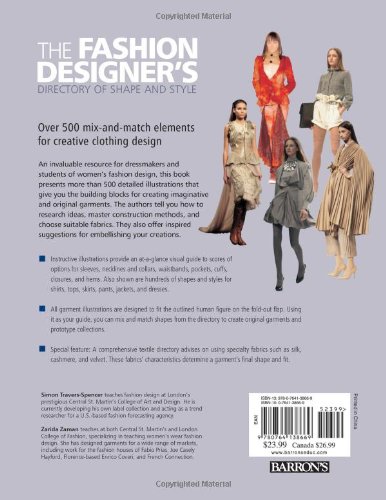
The Fashion Designer’s Directory of Shape and Style is a reference book published by B E S Pub Co. According to the supplied product information, it is intended for both students of fashion design and professionals in the field, and it is described as an illustrated idea book. The book contains more than 1,200 detailed illustrations that are presented as building blocks for designing clothing.
This article describes what the book contains, how its sections are organized, and what physical and publication details are stated in the available product information. It does not evaluate the book or compare it with other titles.
Product Overview
The subtitle of the book states that it offers over 600 mix-and-match elements for creative clothing design. The product information describes the book as profusely illustrated, with color photos and illustrations on every page.
The book is structured in three main parts. The opening section functions as a photo-illustrated catalog of basic garment shapes. The second and main section presents original design ideas for those same garment parts. A final section, titled “Taking It Further,” covers finding additional inspiration from outside sources.
Publication details stated in the supplied information are as follows:
- Publisher: B E S Pub Co
- Publication date: 1 March 2008
- Language: English
- Print length: 144 pages
- ISBN-10: 0764138669
- ISBN-13: 978-0764138669
- Item weight: 658 g
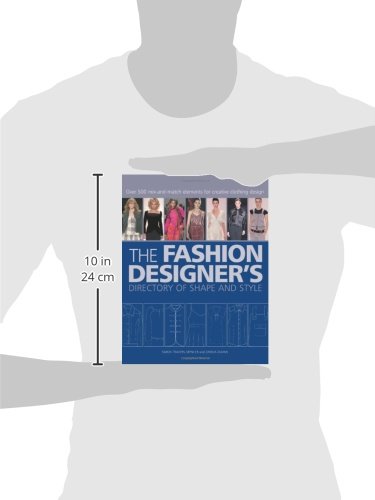
- Dimensions: 19.05 x 1.14 x 24.77 cm
Features and Specifications
The opening section of the book is described as a photo-illustrated catalog of basic shapes. The garment parts covered in this catalog are:
- Sleeves
- Necklines
- Hems
- Pockets
- Ties and fastenings
- Collars
- Cuffs
- Waistbands
- Embellishments such as lace and appliqué
The book’s second and main section combines photos and fashion illustrations to present design ideas for all of the clothing parts listed above. Sixteen original designs per page are sketched in a grid format. These designs are organized according to intended use, with the stated categories being casual, formal, special occasion, and essential. The drawings are cross-referenced according to suggested fabrics for construction.
A gatefold flap inside the book presents an outline human figure intended to guide designers in mixing and matching garment parts. The final section, “Taking It Further,” shows how to find additional inspiration from outside sources. Examples given in the product information include architectural details, the graphic designs of the 1960s Op Art movement, and the dress designs of the 1930s. The book also includes inventive ideas for using specialty fabrics, including silk, organza, and suede.
Design and Organization
The book’s layout is built around a catalog-and-combination approach. The first section establishes a visual vocabulary of basic shapes for individual garment parts. The main section then presents design variations for those parts in a grid of sixteen sketches per page, sorted by intended use. Because the drawings are cross-referenced according to suggested fabrics, the book links design ideas to fabric choices.
The gatefold flap with an outline human figure is a physical design element of the book. According to the supplied information, it is intended to guide designers in mixing and matching garment parts. The book contains color photos and illustrations on every page and runs to 144 pages.
Usage and Content Structure
The book is described as being for students of fashion design and professionals in the field. Its stated purpose is to provide inspiration and building blocks for designing clothing. The content is arranged so that a reader can review basic shapes for a garment part, then turn to design ideas for that part, organized by casual, formal, special occasion, or essential use.
The cross-referencing of drawings to suggested fabrics means the book connects each design idea to fabric options for construction. The “Taking It Further” section extends the content beyond garment parts by pointing to outside sources of inspiration, including architectural details, 1960s Op Art graphic designs, and 1930s dress designs. Ideas for specialty fabrics such as silk, organza, and suede are also included.
Product Configuration
The supplied product information describes a single printed book. Stated configuration details are:
- Title: The Fashion Designer’s Directory of Shape and Style
- Subtitle: Over 600 Mix-and-Match Elements for Creative Clothing Design
- Format: Print book, 144 pages
- Publisher: B E S Pub Co
- Publication date: 1 March 2008
- Language: English
- ISBN-10: 0764138669
- ISBN-13: 978-0764138669
- Item weight: 658 g
- Dimensions: 19.05 x 1.14 x 24.77 cm
- Interior feature: gatefold flap with an outline human figure
- Illustrations: more than 1,200 detailed illustrations; color photos and illustrations on every page
- Content sections: basic shapes catalog; main design ideas section; “Taking It Further” section
Summary
The Fashion Designer’s Directory of Shape and Style is a 144-page English-language book published by B E S Pub Co on 1 March 2008. It is described as an illustrated idea book for students of fashion design and professionals in the field. It contains more than 1,200 detailed illustrations and color photos and illustrations on every page.
The book opens with a photo-illustrated catalog of basic shapes for sleeves, necklines, hems, pockets, ties and fastenings, collars, cuffs, waistbands, and embellishments such as lace and appliqué. Its main section presents original design ideas for these garment parts, with sixteen designs per page sketched in a grid format and organized by intended use: casual, formal, special occasion, and essential. The drawings are cross-referenced according to suggested fabrics for construction. A gatefold flap inside the book presents an outline human figure to guide designers in mixing and matching garment parts.
The final section, “Taking It Further,” shows how to find additional inspiration from outside sources, with examples including architectural details, 1960s Op Art graphic designs, and 1930s dress designs. The book also includes ideas for using specialty fabrics, including silk, organza, and suede. Its stated dimensions are 19.05 x 1.14 x 24.77 cm, and its stated item weight is 658 g.

